1. Energy Efficiency: The Foundation of an Eco-Friendly Home
One of the easiest ways to make your home more eco-friendly is to focus on energy efficiency. Not only does reducing energy consumption help the environment, but it also lowers your utility bills.
-
Switch to LED lighting: LED bulbs use up to 75% less energy than traditional incandescent bulbs and last significantly longer. By replacing your old bulbs with LEDs, you’ll see an immediate reduction in energy use.
-
Install a programmable thermostat: This small investment can save you money by adjusting the temperature when you’re not home. Some smart thermostats even learn your habits and adjust automatically, making it easier to save energy without any effort.
-
Seal windows and doors: Preventing drafts can significantly reduce the amount of energy needed to heat or cool your home. Check for gaps around windows and doors and seal them with weatherstripping or caulk.
2. Water Conservation: Easy Ways to Save More Every Day
Water is a precious resource, and conserving it can help reduce your environmental impact. Small adjustments in your water usage can add up to big savings over time.
-
Install low-flow fixtures: Low-flow showerheads, faucets, and toilets use significantly less water without sacrificing performance. This simple swap can cut water usage by up to 50%.
-
Fix leaks promptly: A dripping faucet or running toilet wastes gallons of water each day. Fixing leaks as soon as they’re detected is a quick way to conserve water and reduce your utility bill.
-
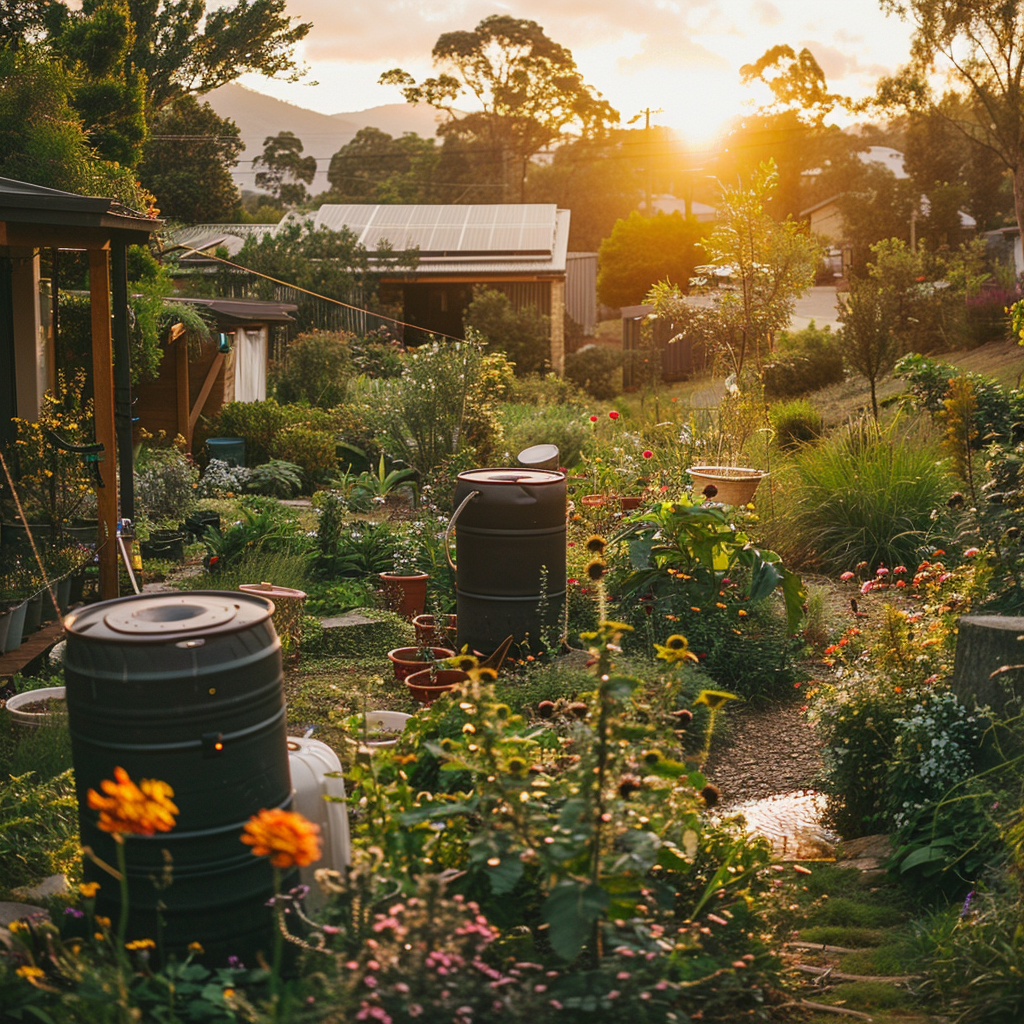
Use a rain barrel: If you have outdoor space, collecting rainwater can help reduce water consumption for gardening and landscaping. Rainwater is naturally free of chemicals, making it better for plants too.
3. Reduce Plastic Waste: Eco-Friendly Swaps for Everyday Items
Plastic pollution is a major environmental issue, but you can take steps to minimize your contribution by reducing plastic use in your home.
-
Use reusable bags, bottles, and containers: By swapping out single-use plastic bags and water bottles for reusable ones, you can cut down on plastic waste in a big way. Keep reusable shopping bags in your car or by the door so you don’t forget them on your way out.
-
Switch to plastic-free cleaning products: Many cleaning products come in plastic packaging. Look for eco-friendly alternatives like concentrated cleaners in refillable bottles, or make your own with ingredients like vinegar and baking soda.
-
Buy in bulk: Purchasing items in bulk can reduce packaging waste. Bring your own containers to stores that allow bulk shopping for items like grains, nuts, and cleaning supplies.
4. Green Cleaning: Go Natural for a Healthier Home
Commercial cleaning products often contain harsh chemicals that are not only bad for the environment but also harmful to your health. Switching to natural cleaning solutions is an easy way to make your home greener and healthier.
-
Make your own cleaners: Simple ingredients like vinegar, baking soda, and lemon juice are powerful cleaning agents that can replace many commercial products. For example, a mix of vinegar and water makes an excellent all-purpose cleaner, and baking soda works wonders as a scrub for tough stains.
-
Use reusable cloths: Instead of using disposable paper towels, switch to reusable microfiber cloths for cleaning. They’re more effective at picking up dirt and can be washed and reused hundreds of times.
-
Air out your home regularly: Indoor air quality can suffer from the use of chemical cleaners. Open windows regularly to let fresh air in and improve ventilation, especially after cleaning.
5. Sustainable Home Decor: Eco-Friendly Choices for a Stylish Space
Making your home eco-friendly extends to how you furnish and decorate your space. By choosing sustainable materials and products, you can create a stylish and environmentally conscious home.
-
Opt for secondhand furniture: Buying secondhand furniture not only reduces waste but also saves money. Look for quality items at thrift stores or online marketplaces. You can even upcycle old furniture with a fresh coat of paint or new hardware.
-
Choose natural materials: When buying new items, opt for products made from natural, sustainable materials like bamboo, wool, or recycled metals. These materials are often more durable and have a smaller environmental footprint.
-
Add indoor plants: Indoor plants not only improve air quality by filtering out toxins, but they also add a natural, calming element to your home. Choose low-maintenance plants like snake plants or pothos if you’re new to plant care.
Conclusion: Small Changes, Big Impact
Making your home more eco-friendly doesn’t require drastic changes or major investments. By focusing on energy efficiency, water conservation, reducing plastic waste, and making sustainable choices in your decor, you can create a healthier, greener living space. These small, practical steps add up over time and contribute to a more sustainable future.