
1. Why Transportation Emissions Matter
Transportation is responsible for a significant portion of global CO2 emissions. According to the EPA, cars, trucks, and buses make up nearly 30% of total greenhouse gas emissions in the U.S. alone. The more people rely on individual cars, the more pollution is generated, contributing to climate change, poor air quality, and harmful health effects.
-
Individual impact: Every mile driven in a car produces about 404 grams of CO2. If you drive a typical 12,000 miles a year, that’s nearly five tons of CO2 just from commuting!
-
Traffic congestion: Beyond emissions, more cars on the road lead to traffic jams, wasting time and increasing fuel consumption. By switching to carpooling or public transit, you can help reduce these problems while making your commute smoother.
2. The Environmental Benefits of Carpooling
Carpooling is one of the most efficient ways to cut down on emissions and reduce traffic congestion. By sharing a ride with others, fewer cars are on the road, which means fewer emissions and less pollution.
-
Reduce your carbon footprint: When you carpool with even one other person, you cut your emissions in half. Add more passengers, and the benefits only multiply. For example, if a group of four people who normally drive separately carpool, they’re reducing emissions from three cars!
-
Lower fuel consumption: Fewer cars on the road mean less fuel consumption overall. When you carpool, you not only reduce your environmental impact but also save money on gas by splitting costs among passengers.
-
Less traffic and wear on infrastructure: With fewer cars on the road, there’s less traffic congestion and reduced wear and tear on roads. This helps to extend the lifespan of infrastructure and reduces the need for frequent repairs, which also contribute to emissions.
3. The Advantages of Using Public Transport
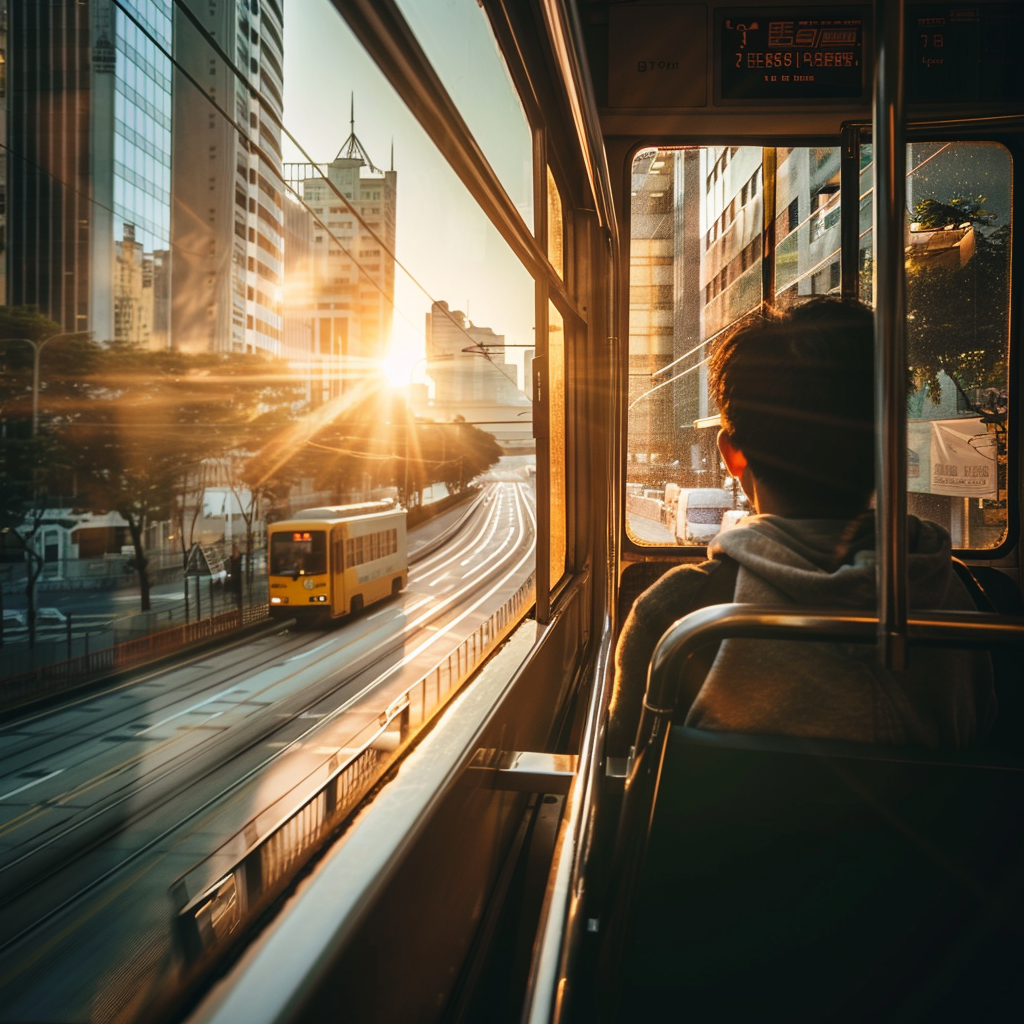
Public transportation is one of the most environmentally friendly commuting options available. Buses, trains, and subways are far more efficient than individual car trips, as they carry many passengers at once, significantly reducing emissions per person.
-
Lower emissions per passenger: A single bus can carry dozens of people, resulting in lower emissions per passenger compared to individual cars. In fact, public transport can reduce emissions by 45% compared to driving alone.
-
Energy efficiency: Buses, trains, and electric trams are often more energy-efficient than cars. As more cities adopt electric buses and renewable energy-powered transit systems, the environmental benefits of public transport continue to grow.
-
Less congestion and faster commutes: In many urban areas, public transport systems have dedicated lanes or priority routes, meaning less time stuck in traffic. This leads to faster commutes and less stress for passengers.
4. Saving Money While Reducing Emissions
One of the best perks of carpooling and using public transport is the potential to save money. Fuel costs, parking fees, and vehicle maintenance can add up quickly, but choosing an alternative commute can ease those expenses.
-
Carpooling savings: When you carpool, you’re sharing the cost of fuel, parking, and even tolls. Over time, this can save you a significant amount of money, especially if you’re commuting long distances.
-
Public transport passes: Many cities offer affordable public transportation passes that cost far less than maintaining a car. Monthly or annual passes provide unlimited access to buses, trains, and trams for a fraction of the cost of car ownership.
-
Lower vehicle maintenance costs: By using public transport or carpooling, you’re reducing the wear and tear on your vehicle. This means fewer repairs, less frequent oil changes, and a longer lifespan for your car—all contributing to savings.
5. Unique Insights: Health and Social Benefits
Beyond the environmental and financial perks, carpooling and public transport offer some surprising benefits for your health and social life.
-
Reduced stress: Sitting in traffic every day can take a toll on your mental health. Public transport allows you to relax, read, or listen to music during your commute, while carpooling gives you a chance to connect with others and make the ride more enjoyable.
-
More active lifestyle: Taking public transport often involves walking or biking to bus stops or train stations, which naturally increases your daily physical activity. Even small amounts of walking can improve cardiovascular health and contribute to overall well-being.
-
Building community: Carpooling creates opportunities to socialize with colleagues, neighbors, or friends. Over time, these connections can strengthen your sense of community and support.
Conclusion: Small Changes, Big Impact
Switching to carpooling or public transport may seem like a small change, but the impact is significant. From reducing emissions and saving money to improving your health and cutting down on traffic congestion, the benefits are clear. Every time you choose to share a ride or hop on the bus instead of driving alone, you’re contributing to a cleaner, greener future.